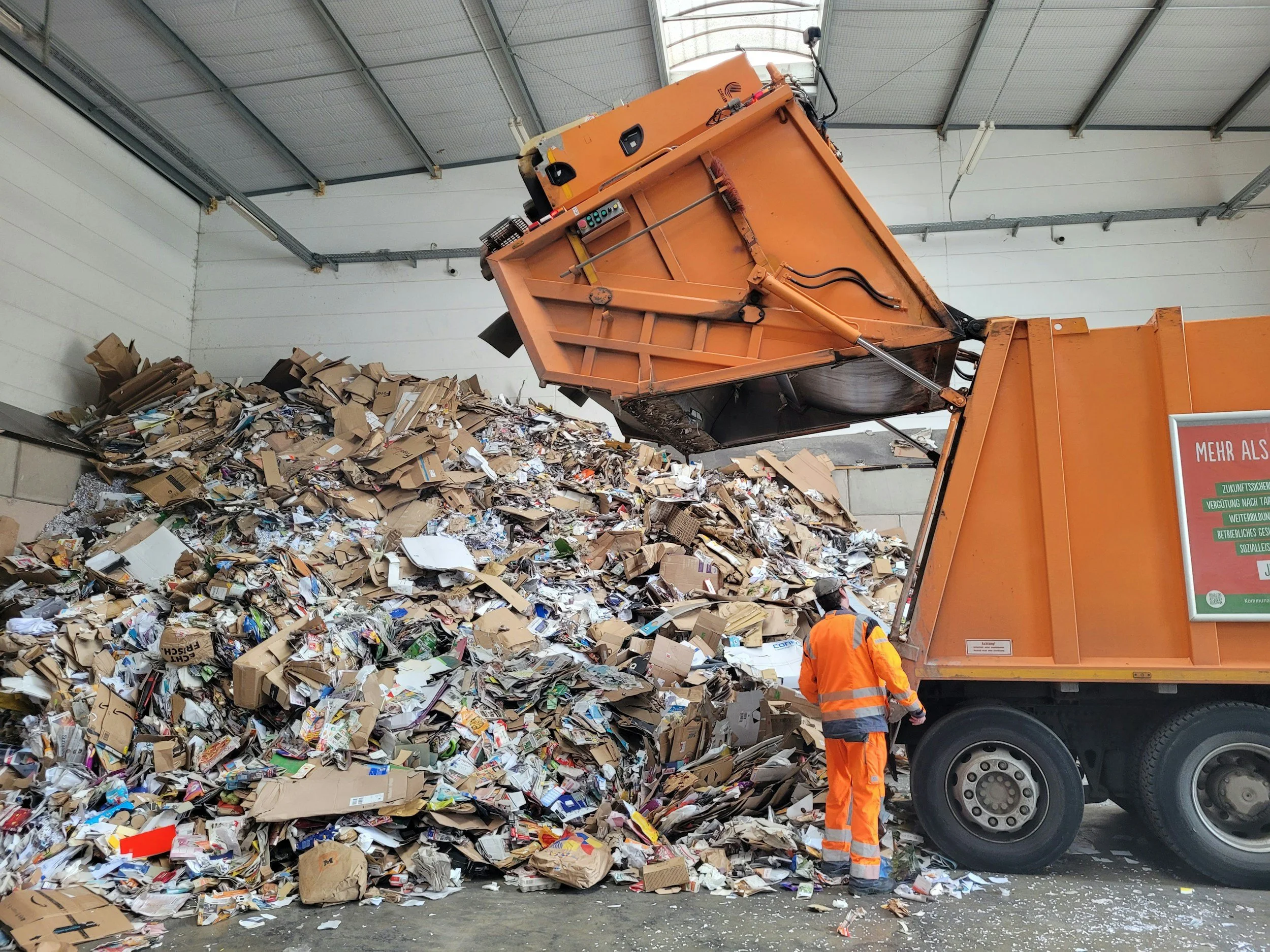
Waste Management Site Worker (Pilot)
The Waste Management Site Worker (Pilot) addresses the growing challenge of managing increasing waste volume and complexity while ensuring safety and minimal community and environmental impact. This initiative aims to equip waste management workers with the necessary knowledge, skills, and abilities to handle evolving challenges in waste disposal grounds, transfer stations, and related activities.
Waste management roles, including those at disposal sites and transfer stations, rank among Canada's top 10 most hazardous jobs. The evolving complexity of waste components, such as new chemicals and explosive batteries, amplifies this challenge. As a result, waste management in Manitoba now requires a highly skilled and essential workforce. Their tasks encompass safe and efficient waste handling while safeguarding the community and environment.

-
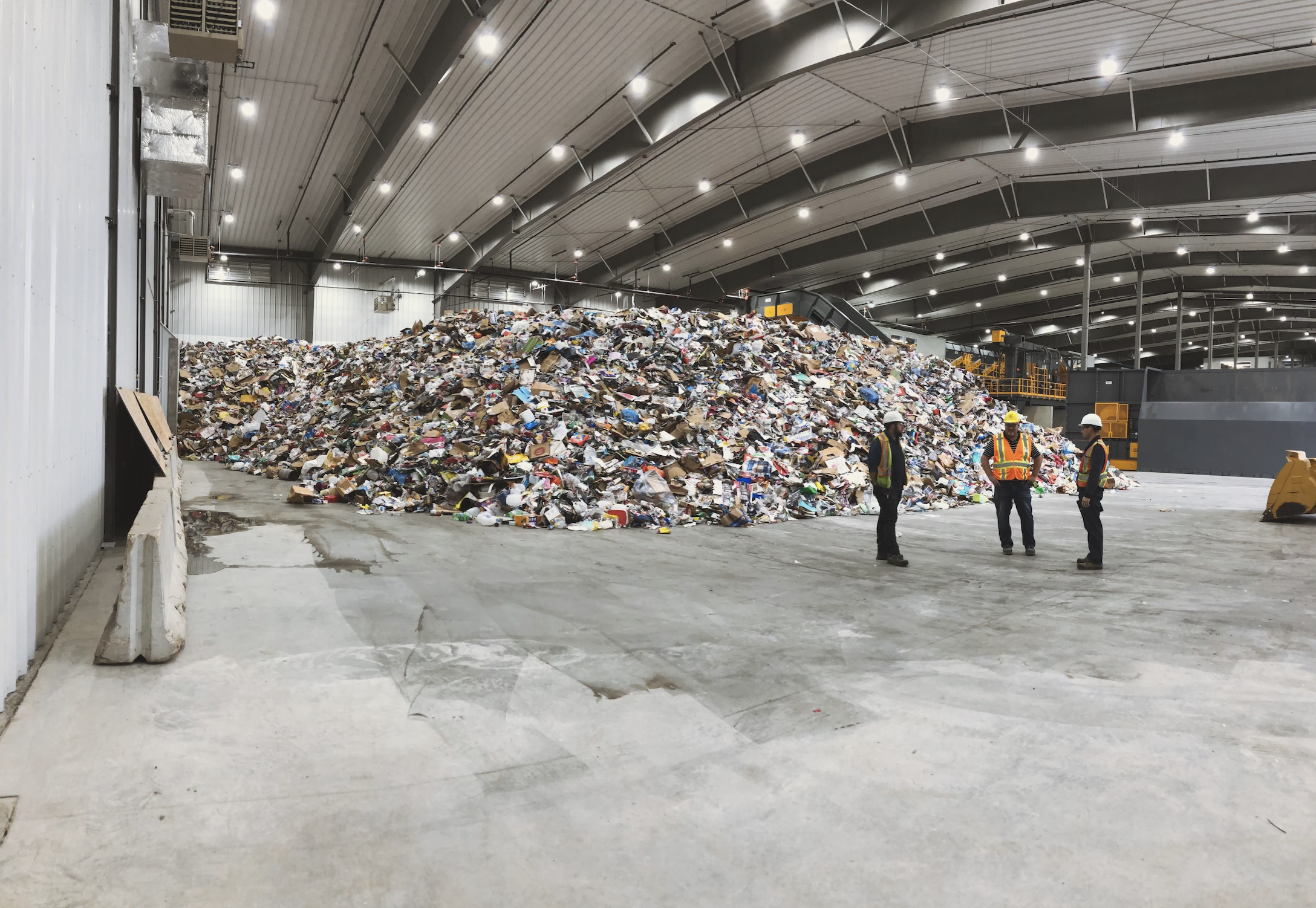
Mixed waste from households, industrial, commercial, and institutional facilities
Construction, renovation, and demolition waste
Asbestos
Scrap tires
Lead acid batteries
Waste electronics
Used oil, antifreeze, and empty
containers
Flammable liquids
Dead animals
Treated wood
Household batteries
Household hazardous waste
Compressed gas cylinders
Mercury switches and thermostats
Scrap metal including scrap appliances containing Ozone Depleting Substances
Packaging and printed paper
Farm chemical containers
Agricultural plastics
Leaf and yard waste
Food waste
Medications
Biohazardous waste
-
Operate scales
Manage public access and use of the site
Maintain records
Manage budgets
Supervise staff
Maintain and operate heavy machinery required within their facility and site
Maintain and operate small equipment
Ensure health and safety for the public, co-workers, and themselves
Emergency response to incidents at the facility – spills, fires, accidents or other upsets
Manage leachate collection
Sample and monitor groundwater
Manage and prevent fires – either fire in the landfill cell, material storage area or broader environment
Understand and follow regulations and standards
Report and communicate to administrative, municipal or band leadership
Control litter and debris
Control pests including vermin, bears, insects
FOR MORE INFORMATION, CONTACT
Heather Roscoe, Programming and Training Coordinator



THANK YOU TO THE
MEIA Charter Members